43 what to look for when reading nutrition labels
How to understand food labels - Eat For Health The Nutrition Information Panel on a food label offers the simplest and easiest way to choose foods with less saturated fat, salt (sodium), added sugars and kilojoules, and more fibre. It can also be used to decide how large one serve of a food group choice or discretionary food would be and whether it's worth the kilojoules. How to Read Food Labels for a Heart-Healthy Diet Agave nectar. Dehydrated cane juice. All of the above. The correct answer is All of the above. Sugar, which provides mostly empty calories that don't boost heart health, can appear several times on an ingredient list because different forms of it have been used in different amounts. But they do add up.
Food Labels | CDC If you eat the whole thing, you are eating 8 times the amount of calories, carbs, fat, etc., shown on the label. Total Carbohydrate shows you types of carbs in the food, including sugar and fiber. Choose foods with more fiber, vitamins, and minerals. Choose foods with lower calories, saturated fat, sodium, and added sugars. Avoid trans fat.

What to look for when reading nutrition labels
What to Look for on Current Nutrition Labels - Dietetic Directions ... Top 3 Tips for Effectively Using Food Labels: Reference the Serving Size! The nutrition label provides a lot of information that is all per the determined serving size. TIP: Take a look at the serving size that is listed below the Nutrition Facts title. Decide ahead of time how much you plan on eating in order to get an accurate estimate. How to Read Nutrition Labels: Fat Content, Carbs & What To Look For Nutrition labels are required to include total fat, saturated fat, and trans fat. The total amount of fat in the diet is a percentage of your calorie needs. The recommendation for the typical American diet is around 30%. For someone taking in 2,000 calories, this would mean around 70 grams of total fat per day. Reading Food Labels | ADA - American Diabetes Association The Nutrition Facts labels on foods are really the key to making the best choices. We'll cover the basics so that these labels make shopping easier for you. Get started Understanding Carbs You've heard it all. From carb-free to low-carb, to whole and empty carbs, it's hard to know what it all means. Learn more Food & Blood Sugar
What to look for when reading nutrition labels. Reading food labels: Tips if you have diabetes - Mayo Clinic Look for foods with fats, cholesterol and sodium on the low end of the Daily Value; keep fiber, vitamins and minerals on the high end. If your doctor or registered dietitian recommends more or less than 2,000 calories a day, you may need to adjust the percentage accordingly — or simply use the percentage as a general frame of reference. Food Labels: Fat & Cholesterol | Home & Garden Information Center The 2015 Dietary Guidelines for Americans recommends the following intakes of fat and cholesterol every day: total fat—20 to 35% of calories, depending on age and gender (65 grams for the 2,000-calorie intake level used in the Daily Value)*. saturated fat—less than 10% of calories**. trans fat— keep as low as possible. What Should I Look for When I Read Nutrition Labels? Here's your quick list to determine if the label you're reading passes the PLANTSTRONG sniff test. 1) Sodium: Your recommended total daily intake should be around 1500-2000mg daily so when reading a label, you want the number of calories per serving to be equal to or lesser than the number of milligrams of sodium per serving. Quick Tips for Reading the Nutrition Facts Label Quick Tips for Reading the Nutrition Facts Label Use Percent Daily Value (%DV) as a guide. The %DV shows how much a nutrient in a serving of the food contributes to a total daily diet. As a general...
How to Read a Nutrition Label - Arthritis Foundation Look for products with less than 1g of saturated fat and no trans fat, says registered dietitian Jennifer Vimbor of Nutrition Counseling Services in New York. And if you're looking to lose weight, look for foods that are low in fat overall, she says. Foods with the "low fat" label, for example, contain fewer than 3 grams of fat per serving. Food Labels 101: Understanding the Nutrition Facts Label This is an essential number to look for when reading the label. Total Carbohydrates - Fiber and Sugar Foods high in fiber can be beneficial to a healthy diet, as fiber helps manage blood sugar levels and can lower cholesterol. However, if the product contains a large amount of sugar, even if it's rich in fiber, put the product back on the shelf. How to Understand and Use the Nutrition Facts Label | FDA When looking at the Nutrition Facts label, first take a look at the number of servings in the package (servings per container) and the serving size. Serving sizes are standardized to make it easier... How to Read Food Labels- Performance Triad To know exactly how much you are eating, weigh or measure your food. The next section lists nutrients. The % Daily Value is based on a 2,000 calorie diet. But a quick rule of thumb is that 5% is low and 20% is high. Information is provided on saturated fat, trans-fat, and cholesterol because you want to minimize your intake of those items.
Understanding Food Nutrition Labels | American Heart Association 1 - Start with the serving information at the top. This will tell you the size of a single serving and the total number of servings per container (package). 2 - Next, check total calories per serving and container. Pay attention to the calories per serving and how many calories you're really consuming if you eat the whole package. How to Read a Nutrition Label: The Path to More Empowered Eating Choices To figure this out, multiply the number of servings you consumed (or plan to consume) by the calories and grams of fat, sodium, sugar, and carbohydrates provided on the food label. Practice Using the product you have and what you typically consume, calculate how many calories, fats, sodium, sugars, and carbohydrates your serving yields. What To Look For On Nutrition Labels & Why It Matters The major components are calories, our big three macronutrients, and the amount of sugar, depending on your goals of course. A bodybuilder, powerlifter, or other strength athlete is always looking to put the best in their bodies as they grind away and having the right ingredients on your nutrition label is vital to success. What to Look For on Nutrition Labels - dummies For someone who eats 1,500 calories a day, that's no more than 33 to 50 grams. Remember, the Percentage Daily Value numbers on Nutrition Facts labels are based on 65 grams of fat a day (30 percent of total calories) and calculated on a 2,000-calorie-per-day diet. Trans fatty acid is the newest item to be added to the Nutrition Fact label ...
Food Explorer RD : Dietary Fiber label reading
What Does A Healthy Nutrition Label Look Like Labels are usually based on official nutritional rating systems.most countries also release overall nutrition guides. 14.in general, look for ingredients that end in ose like glucose, fructose, and dextrose. Learning how to read the nutrition information panel and ingredient list on a food label is essential in making healthy food choices.

Food labels part 5: Putting it all together.
Food label reading guide | Nutrition Australia What to look for when reading food and drink labels (per 100g) Health Star Ratings The Health Star Rating is a front of pack labelling scheme which can be used to make healthier food choices at a glance. The rating range is from ½ - 5 stars and the more stars, the healthier the choice. Recommended minimum star ratings for food and drink categories
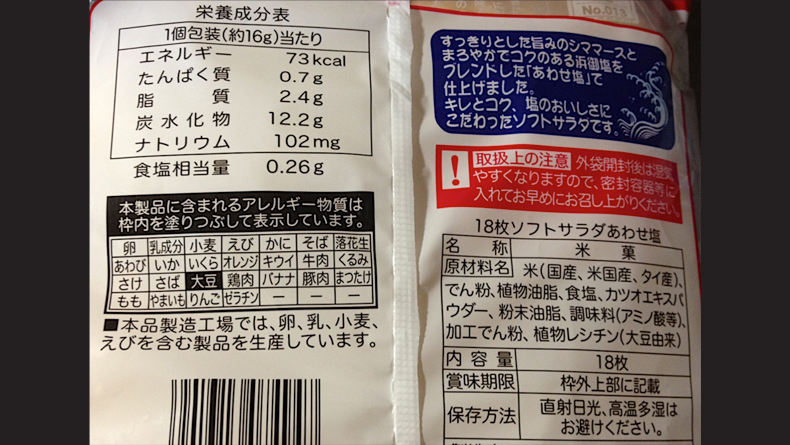
Japanese Decoded: Nutrition Labels - Savvy Tokyo
Reading Food Nutrition Labels: What To Look For March is National Nutrition Month and we would like to talk about food nutrition labels! Reading and understanding food nutrition labels may help us make faster, more informed food choices for a healthy diet. (Photo credit: FDA)1. Serving Information This section indicates how much is in a serving and how many servings are in the container.2.

How to Read Nutrition Labels and What to Look Out For – HighKey
The Basics of the Nutrition Facts Label The following is a quick guide to reading the Nutrition Facts label. Step 1: Start with the Serving Size. Look here for both the serving size (the amount people typically eat at one time) and the number of servings in the package. Compare your portion size (the amount you actually eat) to the serving size listed on the panel.
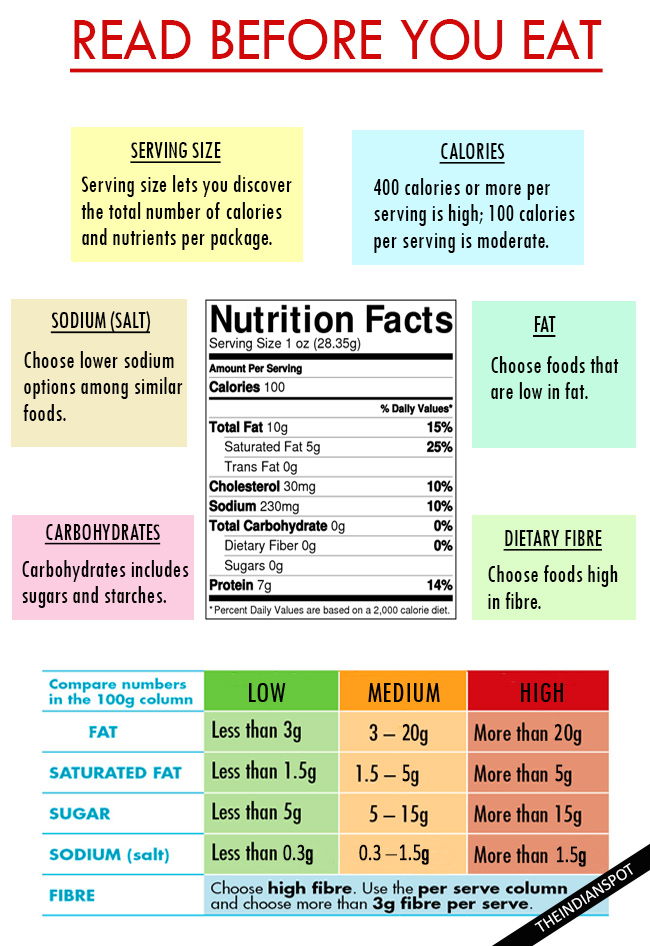
UNDERSTANDING FOOD LABELS - MAKE THE BEST FOOD DECISIONS
The 8 Most Important Things to Look For on Nutrition Labels The 8 Most Important Things to Look For on Nutrition Labels If you want to fill your grocery cart with foods that'll keep you satisfied, slim and overall healthy, your smartest strategy is to first look at the ingredients list (or, even better, buy whole foods that don't have an ingredients list). Words you can't pronounce?
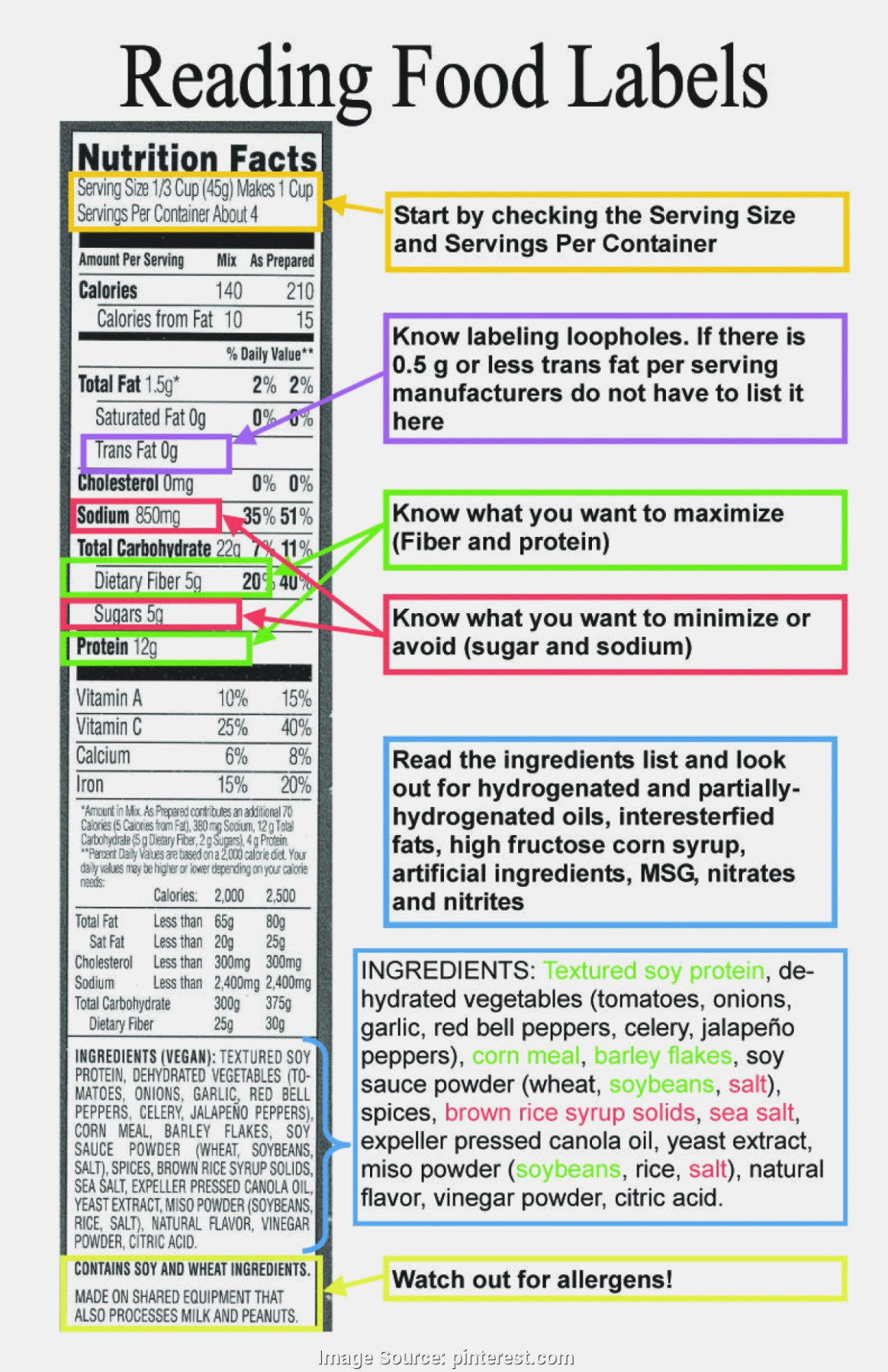
Reading Nutrition Labels Worksheet High School – B – Devki — db-excel.com
Reading Food Labels | ADA - American Diabetes Association The Nutrition Facts labels on foods are really the key to making the best choices. We'll cover the basics so that these labels make shopping easier for you. Get started Understanding Carbs You've heard it all. From carb-free to low-carb, to whole and empty carbs, it's hard to know what it all means. Learn more Food & Blood Sugar
Why you should read food labels carefully - Baltimore Sun
How to Read Nutrition Labels: Fat Content, Carbs & What To Look For Nutrition labels are required to include total fat, saturated fat, and trans fat. The total amount of fat in the diet is a percentage of your calorie needs. The recommendation for the typical American diet is around 30%. For someone taking in 2,000 calories, this would mean around 70 grams of total fat per day.

Reading Food Labels Worksheet | Reading food labels, Food labels, Nutrition labels
What to Look for on Current Nutrition Labels - Dietetic Directions ... Top 3 Tips for Effectively Using Food Labels: Reference the Serving Size! The nutrition label provides a lot of information that is all per the determined serving size. TIP: Take a look at the serving size that is listed below the Nutrition Facts title. Decide ahead of time how much you plan on eating in order to get an accurate estimate.
Post a Comment for "43 what to look for when reading nutrition labels"